
I’ve been hearing a lot of chatter lately in Mumbai's residential societies and factory floor meetings. The rumor mill is working overtime, and the headline is usually some version of: “Net metering is dead,” or “The government is killing solar savings.”
If you’re living in the Mumbai Metropolitan Region (MMR) and looking at your MSEDCL, Tata Power, or Adani Electricity bill with a sense of dread, you need the straight facts. Is net metering actually dead?
Short answer: No.
Long answer: It’s definitely changing, and if you try to use 2022 logic for a 2026 installation, you’re going to lose money.
The rules in Maharashtra just got a lot more specific, and honestly, a bit more restrictive. But if you play the game right: specifically by looking into energy storage: you can still hit that sweet spot of a 3-year ROI.
Here is what is actually happening on the ground in Maharashtra right now.
The 1.25x Rule: The End of "Oversizing" Your System
For years, the rule was simple: you could install a solar system up to your sanctioned load. If you had a 10kW connection, you put up 10kW of panels. Easy.
But as of February 2026, MSEDCL and other DISCOMs have thrown a wrench in the works. They’ve introduced a capacity cap based on your average consumption over the last 12 months. Specifically, you can now only install a system that is 1.25 times your average annual usage.
Why does this matter? Because many people in Mumbai have "peaky" consumption. You might blast the AC from March to June but barely use any power in the winter. Under the old rules, you’d size your system for those peak months. Under the new rules, your system size is limited by those low-usage months.
This is a massive shift. It means you can’t just cover your entire roof with panels and hope to export the excess for a massive credit. The goal of the DISCOMs is clear: they want you to generate only what you need, not become a mini power plant.
Net Metering vs. Net Billing: The "Sell Low, Buy High" Trap
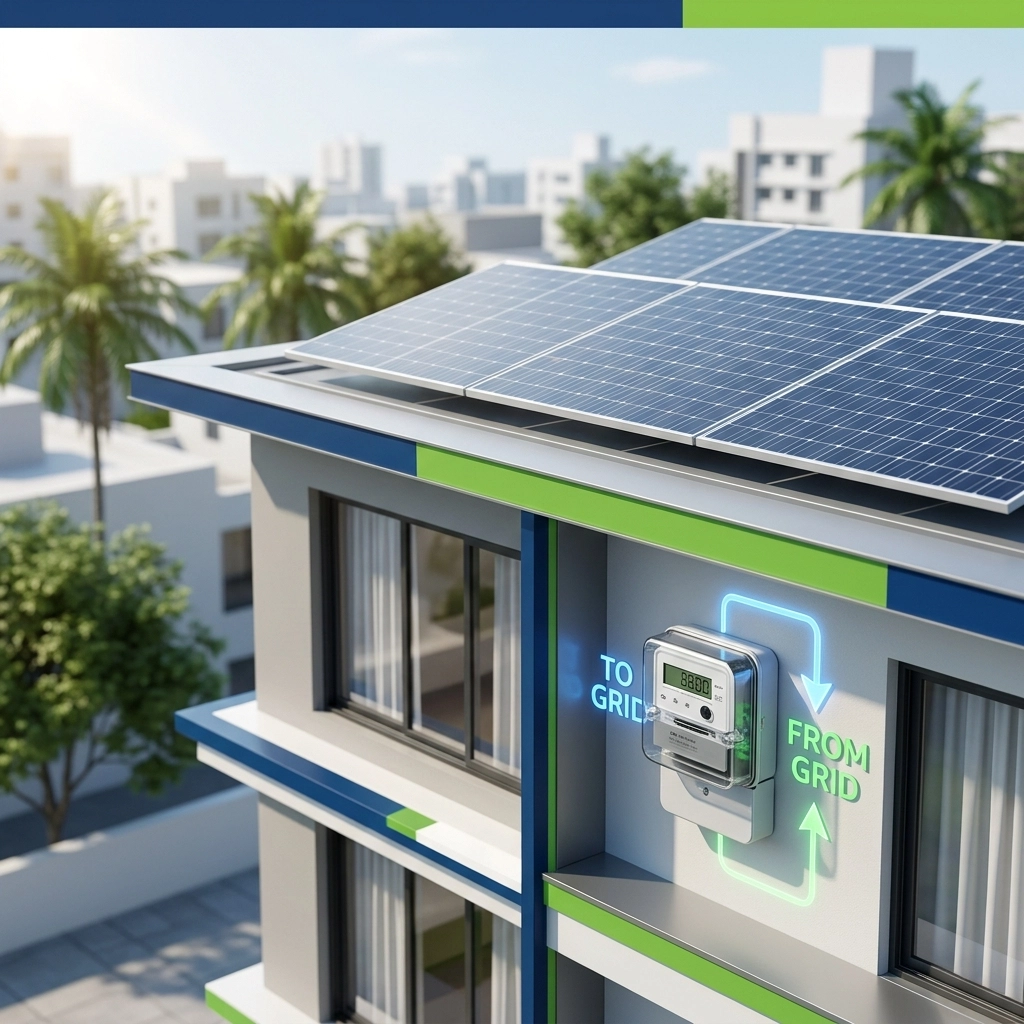
This is where people get confused. Pure Net Metering (where 1 unit exported = 1 unit offset from your bill) is becoming a privilege, not a right. We are seeing a forced migration toward Net Billing (also known as Feed-in Tariff).
Here’s the breakdown of why this hurts your wallet if you aren't prepared:
- Net Metering: You export 1 unit at ₹12 (peak rate) and get a credit for 1 unit at ₹12. It’s a 1:1 swap.
- Net Billing: You export 1 unit that would have cost you ₹12, but the DISCOM only pays you the "Average Power Purchase Cost" (APPC), which is usually around ₹3.50 to ₹4.50.
If you’re on Net Billing, you are selling your high-quality solar power to the grid for pennies and buying it back at night for top dollar. This is exactly why people think solar isn't worth it anymore. But there is a way around this, and it involves keeping your power to yourself.
Why BESS (Battery Storage) is the Only Real "Win" Now
If the grid won’t give you a fair price for your excess electricity, the solution is simple: Don't give it to them.
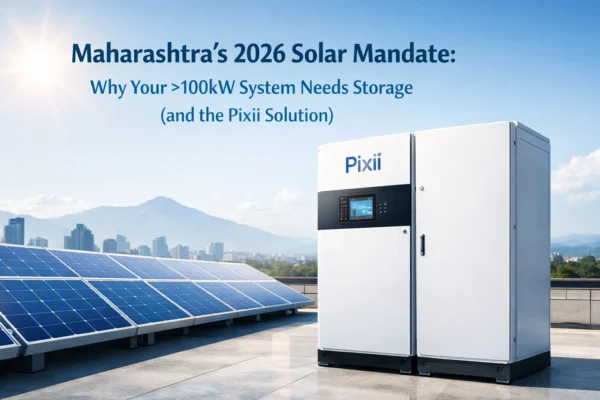
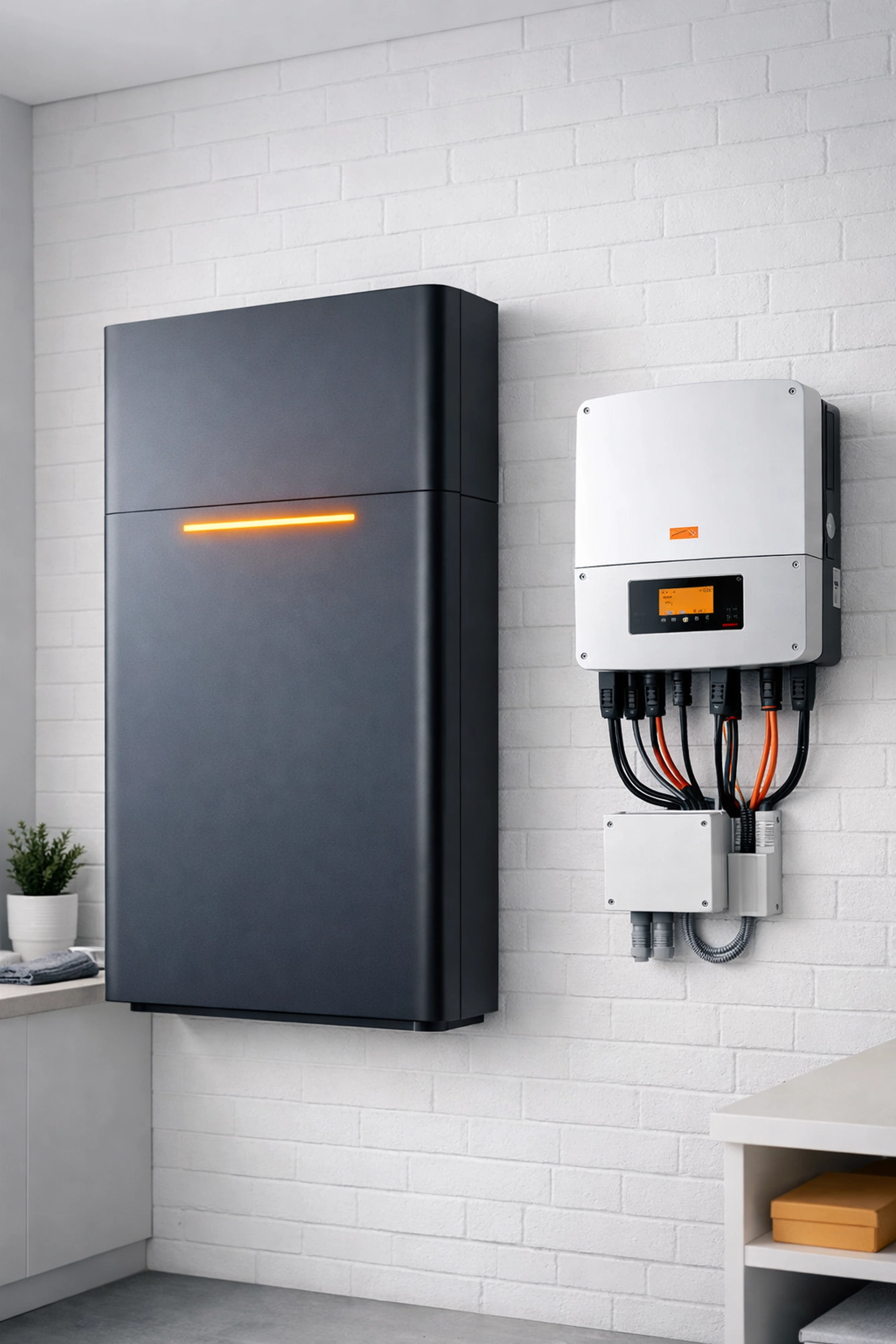
In 2026, a hybrid solar system is no longer a luxury for people who face power cuts; it’s a financial strategy for anyone in Mumbai or Pune. By adding a Battery Energy Storage System (BESS), you store that excess afternoon sun and use it during the evening peak hours (6 PM to 10 PM) when electricity is most expensive.
Instead of selling that unit to MSEDCL for ₹4, you’re using it yourself to save ₹12. That’s a 300% better return on that single unit of electricity. At EnergySPOC, we’re seeing a massive surge in commercial solar installations that integrate storage specifically to bypass these new net billing restrictions.
The Relief: 10kW and the Bombay High Court
It’s not all bad news. The Ministry of New and Renewable Energy (MNRE) hasn't been thrilled with Maharashtra’s restrictive stance. They’ve called these new capacity limits "regressive."
In a recent win for homeowners, the Bombay High Court directed MSEDCL to provide automatic approvals for rooftop systems up to 10kW. This is huge. It cuts through months of red tape for the average bungalow owner in suburbs like Borivali or Thane. If you’re staying under that 10kW mark, the path is much smoother than it was a year ago.
Keeping Your Payback at 3-4 Years
You might think that adding batteries or dealing with lower export rates would push your ROI to 7 or 8 years. Surprisingly, it doesn't: if you size the system correctly.
The cost of solar components has dropped significantly compared to the 2025 rates. Even with the new August 1st DCR panel mandates (which we covered in our PM Surya Ghar guide), the efficiency of N-type TopCon panels means you get more juice out of a smaller footprint.
To keep your ROI under 4 years in the current regulatory environment:
- Don't over-size: Use our solar calculator to find the "Goldilocks" zone for your specific bill.
- Focus on Self-Consumption: Aim to use 80% of what you generate.
- Go Hybrid: If you're a high-tariff consumer (paying above ₹10/unit), batteries actually accelerate your ROI by protecting you from future tariff hikes.
The "Bureaucratic Nightmare": We Take the Hit So You Don’t Have To
Let’s be real: dealing with MSEDCL, Tata Power, or Adani Electricity is nobody’s idea of a fun Tuesday. The application process for a net meter involves multiple levels of technical feasibility studies, drawing approvals, and physical inspections.
The "Net Metering is Dead" rumor often starts because an application gets stuck in the system for six months. It's not that the policy is gone; it's that the paperwork is a mountain.
At EnergySPOC, we consider ourselves more of a "Policy & Paperwork" firm that just happens to be great at solar installation. We handle the entire Liaisoning process. From the initial load sanction check to the final green meter installation, our team is in the DISCOM offices so you don't have to be. We know the local executive engineers in every ward from Colaba to Kalyan. That local "setting" and knowledge are what actually get your system turned on.
The Verdict: Is it Still Worth It?
Net metering in Maharashtra isn't dead, but the "set it and forget it" days are over. You need a system that is engineered for the 2026 reality.
If you just slap some panels on a roof without looking at your 12-month consumption average or considering the shift to net billing, you’ll be disappointed. But if you design a system that maximizes self-consumption and prepares for the storage-first world, your electricity bill will still effectively hit zero.
The biggest risk right now isn't the policy: it's waiting. Every month you spend "researching" is another ₹10,000 to ₹50,000 (depending on your load) going straight to the utility company with zero return.
Ready to future-proof your roof?
Don't let the changing rules scare you off. We’ve helped hundreds of Mumbai businesses and homeowners navigate these exact shifts. Contact us today for a free site audit, and let’s look at your last 12 months of bills to see exactly what MSEDCL will allow you to build.
Get a system that works with the rules, not against them. That’s how you win in 2026.