
If you are running a manufacturing unit in Chakan, a chemical plant in Boisar, or a commercial complex in the heart of Mumbai, you’ve probably heard the rumors. For years, the pitch for solar was simple: "Install panels, wipe out your bill, and get your money back in 3 years."
As of April 2026, that pitch is officially a lie.
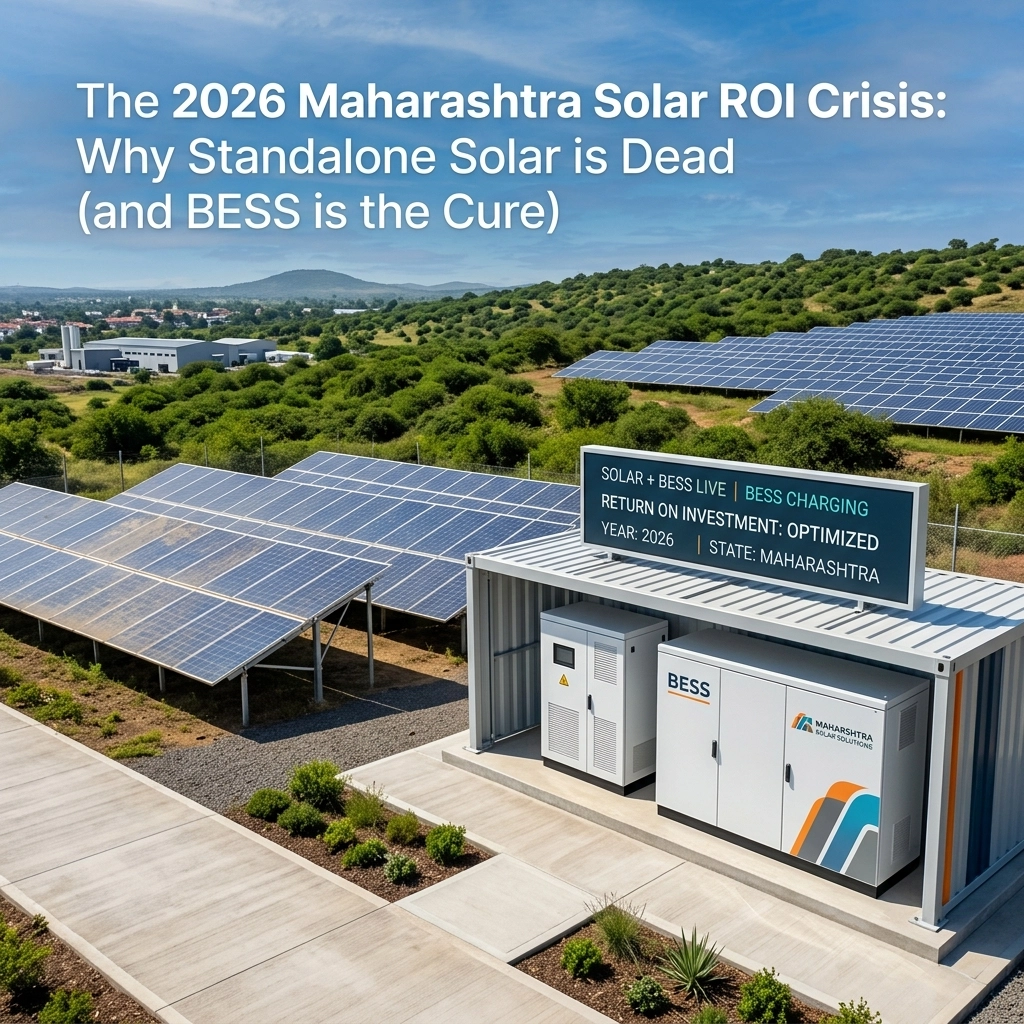
The "Golden Era" of standalone rooftop solar in Maharashtra has crashed. Between new MSEDCL charges, the crossing of the 5,000MW state solar limit, and the death of traditional energy banking, the math for a simple grid-tied system no longer works. If you’re still looking for a solar installation company mumbai to put up basic panels without a plan for storage, you are essentially subsidizing the grid at your own expense.
At EnergySPOC, we’ve seen the numbers flip overnight. Here is the gritty reality of the 2026 ROI crisis and why Battery Energy Storage Systems (BESS) are no longer an "option", they are the only way to save your investment.
The ₹1.96 "Sun Tax": Why Your Bill Isn't Dropping
In February 2026, Maharashtra officially crossed the 5,000MW threshold for rooftop solar installations. This triggered a regulatory "trapdoor" that the industry has been fearing for years: the Grid Support Charge (GSC).
For any system over 10kW, which covers almost every factory in the MIDC belt, MSEDCL now levies a GSC of ₹1.96 per unit (kWh). This isn't just a fee; it’s a direct tax on your generation.
Consider the math:
- Old World (2022-2024): You generate a unit, you save ₹12. Payback in 3.5 years.
- New World (2026): You generate a unit, but MSEDCL hits you with the GSC. Suddenly, your effective savings drop by nearly 20% before you’ve even turned on a machine.
When you factor in the rising solar panel installation cost india, a standalone system that used to pay for itself in 4 years now drags on for 7 to 8 years. In the business world, an 8-year payback period is a dead project.
The TOD Trap: Exporting Gold, Buying Back Dust
The biggest killer of solar ROI in 2026 isn't just the tax, it's the Time of Day (TOD) Trap.
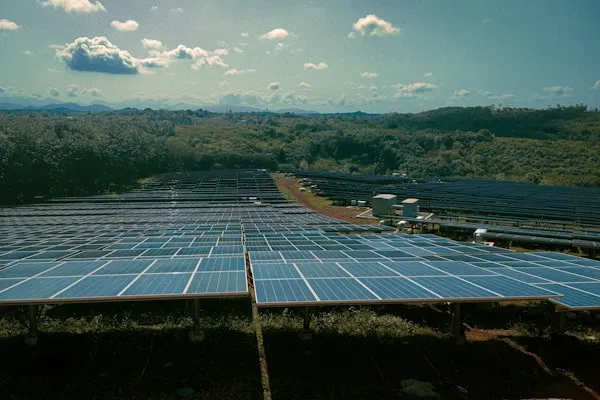
Solar panels produce the most power between 11:00 AM and 3:00 PM. In Maharashtra, this is precisely when the grid is flooded with cheap renewable energy, and MSEDCL’s buy-back (export) rates are at their lowest, roughly ₹2.82/kWh.
However, most industrial and commercial operations hit their peak demand in the late afternoon and evening (the "Evening Peak"). During these hours, grid power is at its most expensive.
The Export Math is a Nightmare:
- You export your excess solar at ₹2.82/kWh.
- Subtract the ₹1.96 GSC.
- You are left with a measly ₹0.86/kWh in credit.
- That night, you buy power back from Tata, Adani, or MSEDCL at ₹12-14/kWh.
You are essentially trading a high-value asset for peanuts. This is why standalone solar is "dead" for the savvy MIDC business owner. You aren't saving money; you're just becoming a low-cost power plant for the utility companies.
The Death of Banking: No More Nightly Rebates
For a long time, "Banking" was the secret sauce of solar. You could generate power in the afternoon and "bank" it with the grid to use at night.
That door has been slammed shut. MSEDCL’s 2026 policies have effectively killed night rebates for banked units. Banked units can no longer offset evening peak charges on a 1:1 basis. If you don't use the power the moment you make it, you lose its value.
For a 10kw commercial solar system india, this change alone can extend the ROI by another 18 months.
Why BESS is the Cure (and Why Pixii is the Standard)
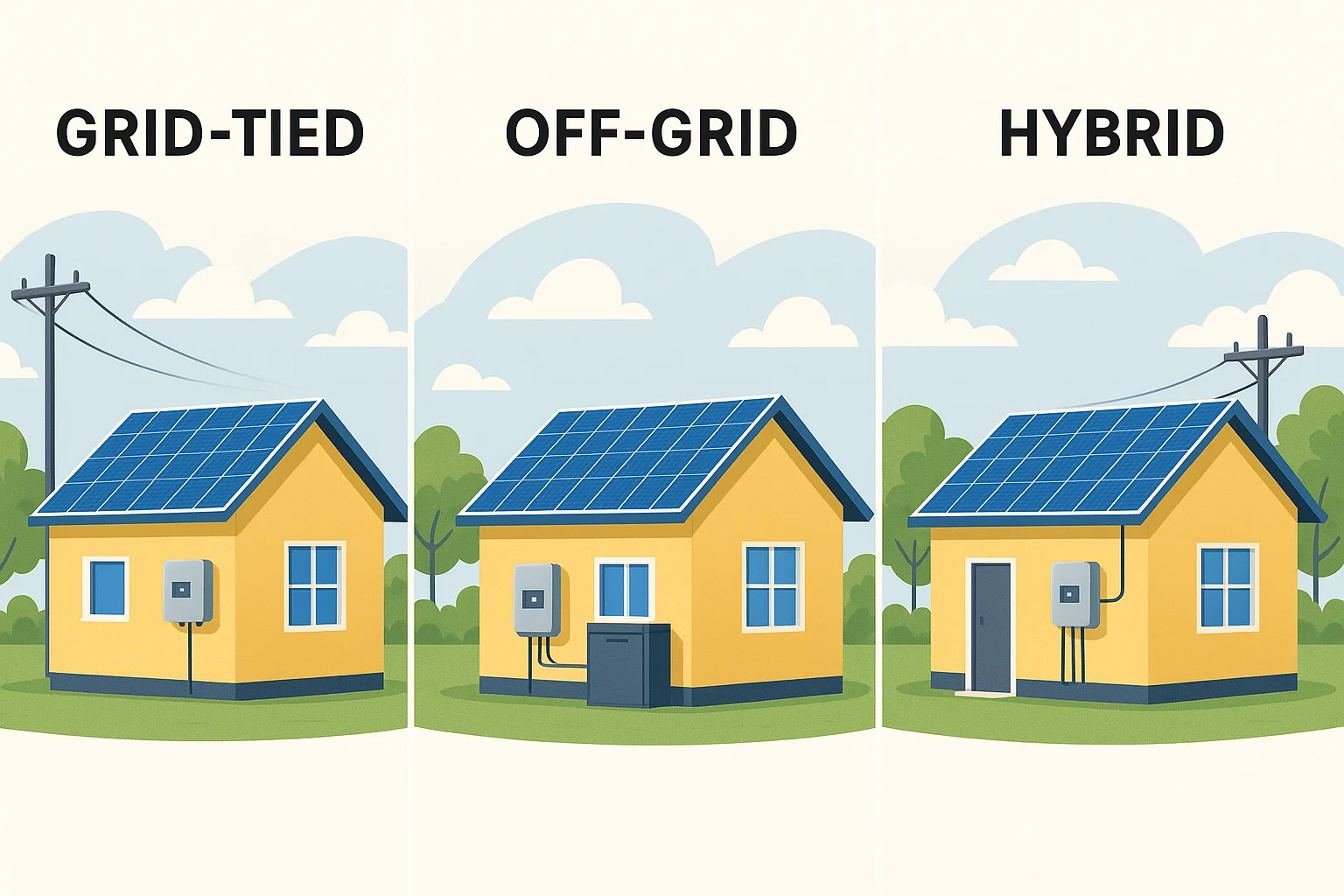
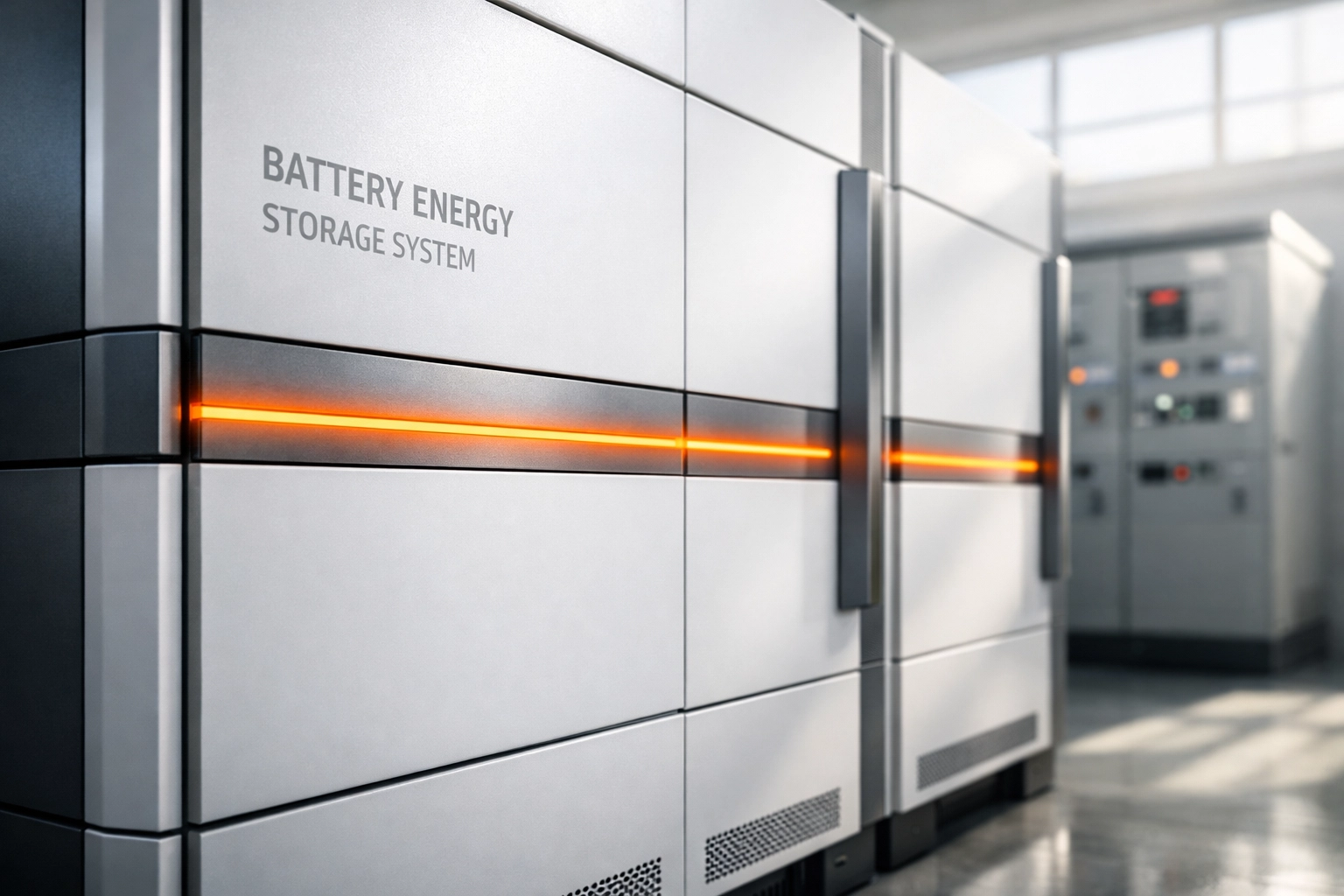
If standalone solar is the problem, BESS (Battery Energy Storage System) is the surgical cure. By adding a home solar battery backup or an industrial-scale storage unit, you stop playing MSEDCL’s losing game.
At EnergySPOC, we are seeing a massive shift toward Pixii storage solutions. Here’s why BESS fixes the ROI math:
- Zero Export, Max Savings: Instead of exporting power at ₹0.86 (after GSC), you store it. You use that "free" solar power during the evening peak when grid prices are ₹14. Your saving per unit jumps from ₹0.86 to ₹14.
- Peak Shaving: Most MIDC factories pay heavy penalties for exceeding "Contract Demand." A BESS system like Pixii senses when you’re about to hit your limit and injects battery power to "shave" the peak, saving you lakhs in demand charges.
- Grid Support Charge Avoidance: By focusing on self-consumption rather than grid export, you minimize the impact of the GSC on your total financial outlook.
The ROI Comparison: Standalone vs. BESS (2026-27)
| Feature | Standalone Solar (Grid-Tied) | Solar + BESS (e.g., Pixii) |
|---|---|---|
| Payback Period | 7–8 Years | 3–4 Years |
| Effective Unit Value | ~₹3.00 (Average with GSC) | ₹12.00 – ₹14.00 |
| Grid Reliance | High (during non-solar hours) | Minimal |
| Peak Demand Charges | No change | Significantly Reduced |
| Future Proof? | No (at mercy of MSEDCL) | Yes (Independent) |
The "BESS Mandate" for Systems >100kW
If your power requirement is large, the decision might already be made for you. As of April 2026, Maharashtra has introduced a new policy: Rooftop solar systems exceeding 100 kW capacity MUST include a minimum 50% storage capacity.
This is part of the state's move to stabilize the grid. While some see this as an added cost, we at EnergySPOC see it as a forced benefit. It forces business owners to adopt the technology that actually makes their solar profitable again. Check out our commercial solar installation guide to see how this mandate affects your specific industry.
Navigating the 2026 Landscape with EnergySPOC
As a leading solar installation company mumbai, EnergySPOC doesn't just sell panels. We sell energy independence. The landscape in 2026 is complex, and "standard" solutions from 2024 are now obsolete.
Whether you are looking at the 8kw solar panel system cost in india for a small office or a multi-megawatt BESS array for a Chakan factory, you need an EPC partner who understands the "Sun Tax" and TOD arbitrage.
Why Mumbai Businesses Choose Us:
- Precision Engineering: We don't over-promise. We use real-time data to calculate your TOD trap and design a BESS system that shaves your peaks.
- Local Expertise: We know the MSEDCL paperwork for Boisar, Palghar, and the Mumbai suburbs like the back of our hand.
- Quality First: We only use Tier-1 components and advanced storage tech like Pixii to ensure your 4-year ROI actually happens.
Final Thoughts: Don't Buy 2024 Technology for a 2026 Problem
The 2026 Maharashtra Solar ROI Crisis is real, but it is only a crisis for those who refuse to adapt. Standalone solar is no longer a viable financial instrument for high-tariff consumers. It has become a grid-management tool that benefits the utility more than the owner.
By integrating Battery Energy Storage Systems (BESS), you reclaim the value of every photon hitting your roof. You shift from being a victim of the "Sun Tax" to being the master of your own micro-grid.
Ready to fix your ROI? Stop looking at just the solar panel installation cost india and start looking at your cost of storage. Contact EnergySPOC today for a detailed BESS audit of your facility.
Frequently Asked Questions
1. Is the ₹1.96 GSC applicable to residential systems?
Currently, the Grid Support Charge primarily targets systems above 10kW. Most residential systems under the PM Surya Ghar scheme are currently exempt, but as the 5,000MW cap is exceeded further, this may change.
2. Can I add BESS to my existing solar installation?
Yes. Retrofitting BESS is one of the most common requests we get in 2026. We can integrate AC-coupled storage systems like Pixii without tearing up your existing solar array.
3. What is the typical lifespan of a BESS unit?
Modern Lithium-ion and LFP batteries used in BESS are rated for 6,000 to 10,000 cycles, typically lasting 10–15 years, well beyond the 4-year ROI period.
4. Does MSEDCL allow "Zero Export" systems?
Yes, and in 2026, this is often the most profitable way to operate. By using a "Zero Export" device and BESS, you ensure no power goes back to the grid for peanuts, and you avoid many of the complexities of the GSC.